



A well-designed keto meal plan is not random bacon—it is a consistent pattern of very low net carbohydrates, adequate protein, and fats that keep you satisfied without constantly renegotiating your diet at 6pm. ChefSphere helps you encode those guardrails once, then generate realistic weeks that rotate proteins and vegetables so you are not eating the same skillet every night.
Most therapeutic keto approaches target a tight net-carb budget (definitions vary by clinician and region). Practically, that means building meals from meats, fish, eggs, leafy greens, cruciferous vegetables, high-fat dairy if tolerated, nuts and seeds in controlled portions, and oils like olive oil. Sugary sauces, most breads, and sweetened beverages are the usual failure points—not “knowledge,” but hidden carbs in condiments.
The weekly structure matters more than perfection. A seven-day scaffold with repeating breakfast archetypes, two lunch patterns, and three dinner proteins reduces decision fatigue and grocery drift. ChefSphere’s Smart Meal Planning is built to respect diet constraints across the whole week, not just one recipe card, and to produce consolidated grocery lists so your shopping matches what you intend to cook.
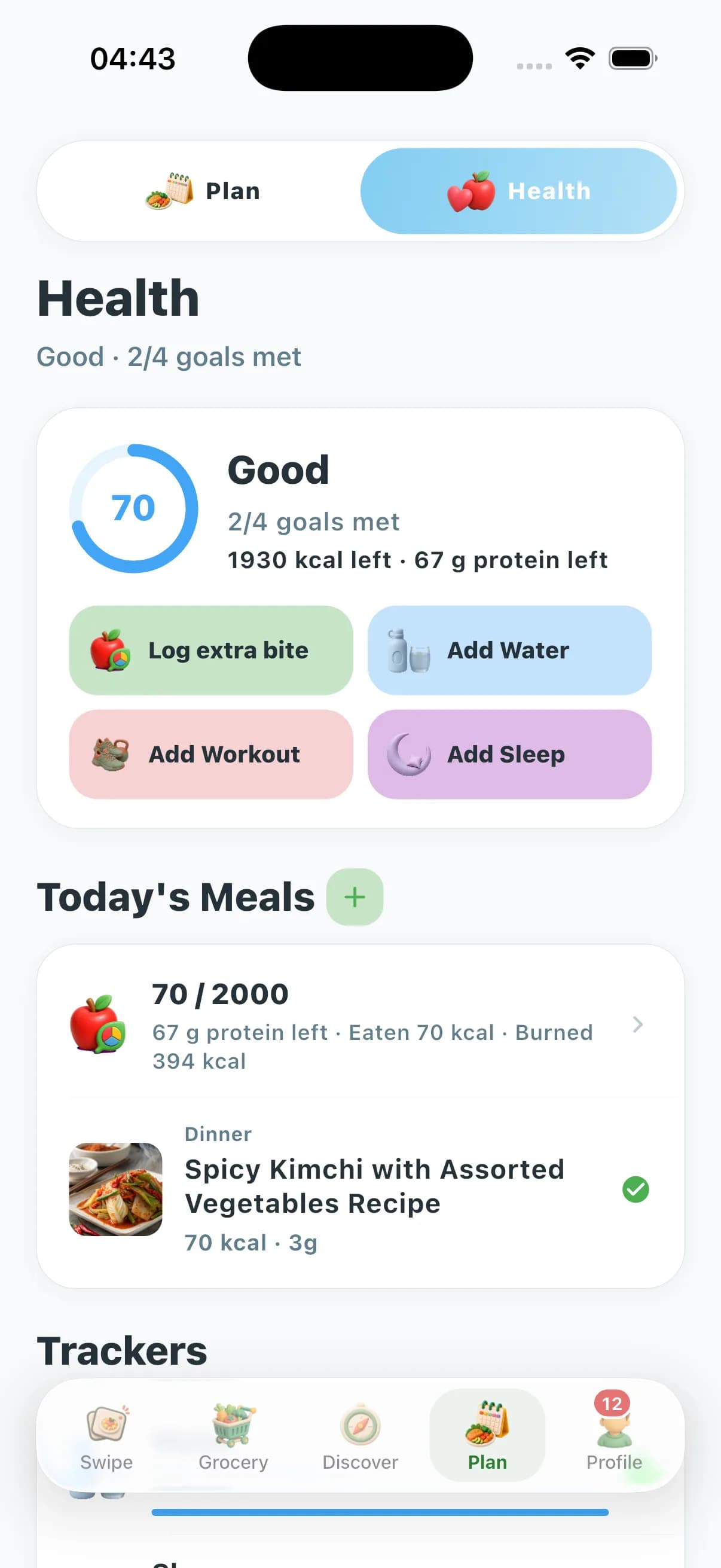
Common keto mistakes include under-eating protein, over-relying on ultra-processed “keto” snacks, and ignoring electrolyte and hydration realities when transitioning. If you train hard, protein needs may be higher than generic templates suggest—your plan should reflect activity, not a meme chart. When helpful, connect ChefSphere Health tracking so adjustments can reflect recovery and appetite instead of pretending you are a static spreadsheet.
This page is educational, not medical advice. If you take medications (especially for diabetes or blood pressure), are pregnant, or have cardiovascular or liver conditions, work with a qualified clinician before adopting strict ketogenic diets. ChefSphere is a planning and discovery tool—it does not diagnose or treat disease.
Sample 7-day structure
Illustrative rotation—adjust portions and ingredients to your medical needs and preferences.
| Day | Breakfast | Lunch | Dinner |
|---|---|---|---|
| Mon | Eggs, spinach, olive oil | Chicken salad, avocado | Salmon, asparagus, butter |
| Tue | Greek yogurt (if fits carb budget) or eggs | Leftover salmon bowl | Beef stir-fry with low-carb veg |
| Wed | Chia pudding (portion-controlled) | Tuna salad wraps (lettuce) | Pork chops, broccoli |
| Thu | Omelet with peppers | Bone broth + small salad | Chicken thighs, cauliflower mash |
| Fri | Cheese + nuts (measured) | Egg salad, greens | Shrimp, zucchini noodles, garlic |
| Sat | Brunch-style eggs + bacon (as tolerated) | Leftovers | Steak, mushrooms, arugula |
| Sun | Simple eggs + avocado | Soup with low-carb vegetables | Rotisserie chicken + roasted veg |
Nutrition focus
- Track net carbs consistently (label rules vary by country).
- Prioritize protein adequacy—especially if you lift or run.
- Use fats as a lever after carbs and protein are set.
- Watch sodium/potassium/magnesium during adaptation (clinical guidance applies).
Build this in ChefSphere
Connect your diet style to AI meal planning, track outcomes with health tracking, and keep grocery lists realistic with AI grocery lists.Read the companion guide: Keto meal plan for beginners (full walkthrough).