Under 30 minutes
Korean Recipes Under 30 minutes — AI-Generated From Your Pantry
Korean recipes in under 30 minutes: kimchi fried rice (12 min), bulgogi (with pre-sliced beef, 15 min), gochujang chicken (15 min) and more. ChefSphere Quick Recipe modes (from pantry, by ingredient) generate 30-minute korean dinners from what you already own.



Korean cuisine is among the most distinct in East Asia: fermented vegetables (kimchi, doenjang) as a daily anchor, gochujang and gochugaru as the dominant chili profile, sesame as the finishing fat. Banchan culture means weeknight dinner is a main + 4–6 small fermented/pickled side dishes that come from the fridge. The fastest Korean weeknight pattern is rice + protein + kimchi + one quick banchan. The challenge most home cooks face with Korean on a weeknight is not skill—it is identifying which dishes from this tradition genuinely fit a 30-minute window without becoming a compromise. This page surfaces the dishes that actually work at under 30 minutes, the techniques that fit the time, and how to bias ChefSphere's AI Quick Recipe modes toward this exact intent.
30-minute cooking covers most weeknight dinners: roasted vegetables, layered sauces, full sheet-pan meals with thicker protein, risottos with pre-warmed stock, and shorter braises like quick chicken with sauce. For korean cooking specifically, the under 30 minutes window favors bibimbap assembly, kimchi fried rice, bulgogi flash sear (thin-sliced beef)—techniques that align with the cuisine's fast-cooking patterns rather than fighting them. Trying to fit a 90-minute braise into 15 minutes produces a worse version of itself; the right move is picking dishes the cuisine itself treats as quick-cooking.
Korean weeknight cooking depends on a tight pantry: gochujang (chili paste), gochugaru (chili flakes), soy sauce, sesame oil, rice vinegar, garlic. With these staples on hand and a few smart purchases (one fresh protein, one vegetable, sometimes a herb), you can rotate through 5+ weeknight dishes without repeating yourself or running out of ingredients. ChefSphere's Quick Recipe "from pantry" mode reads what you already own and suggests dishes that fit—so you spend zero minutes deciding what to cook before you start cooking.
Inside ChefSphere, three Quick Recipe modes accelerate korean weeknights at this time bucket: (1) "from pantry" reads what you already have and suggests korean dishes that fit; (2) "under 30 minutes" explicitly filters by total time so the AI does not surface anything you cannot finish; (3) "by ingredient" rescues a single hero ingredient (the fish you bought today, the herbs about to wilt) into a korean-style dinner. Pair these with the AI grocery list so the next korean weeknight is even faster.
Real Korean recipes
Showing 5 real ChefSphere korean recipes that fit under 30 minutes.
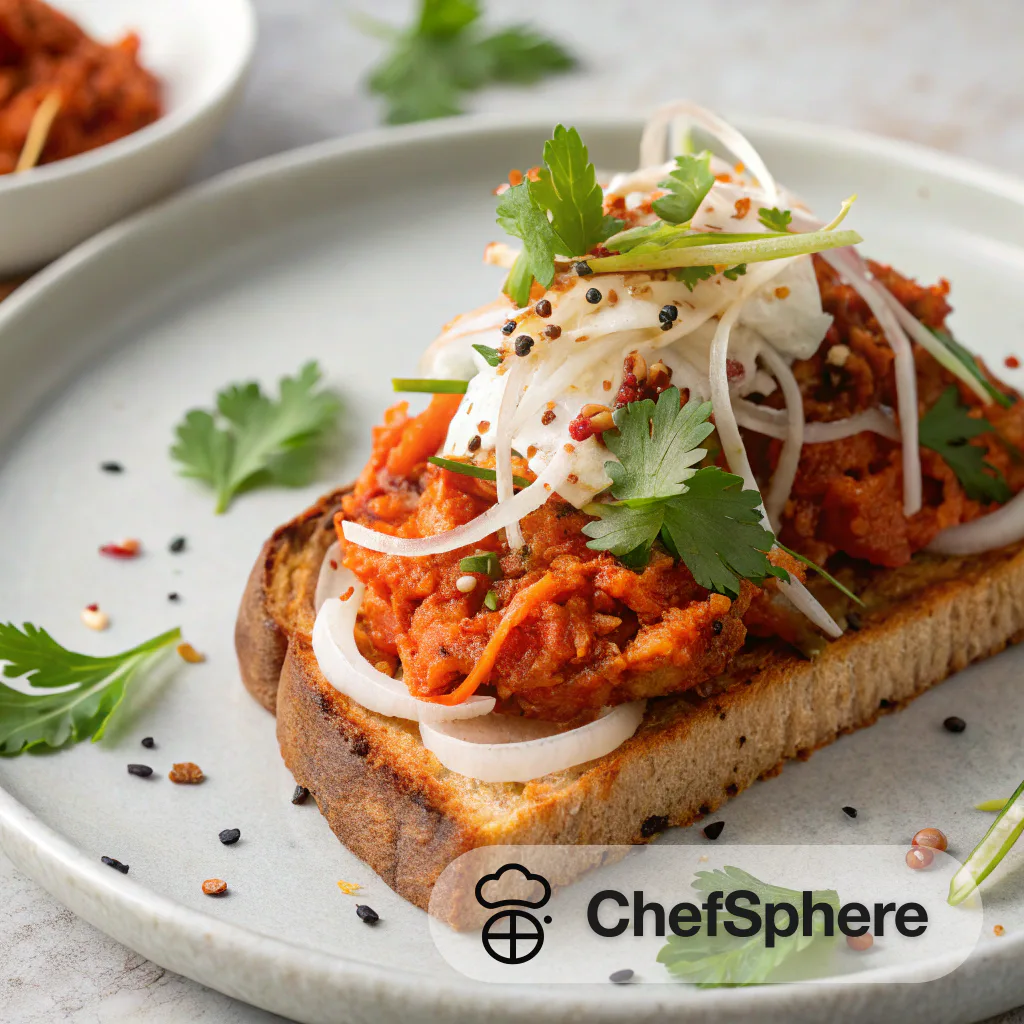 10 minutes
Spicy Kimchi Toast Recipe
Spicy fermented cabbage on crunchy toast.
easy320 calkorean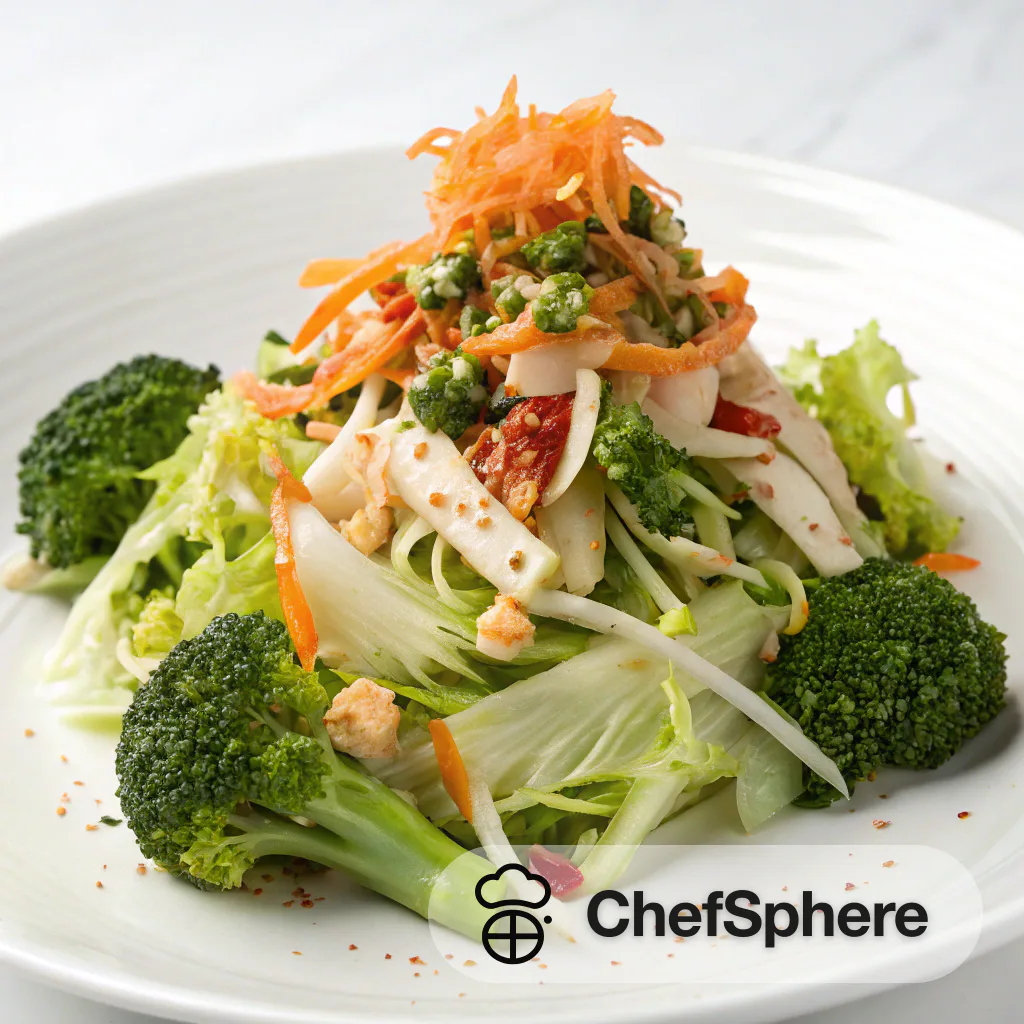 17 minutes
Kimchi Vinaigrette Chopped Salad Supreme Kick
Kimchi vinaigrette adds a kick to chopped salad supreme.
medium120 calkorean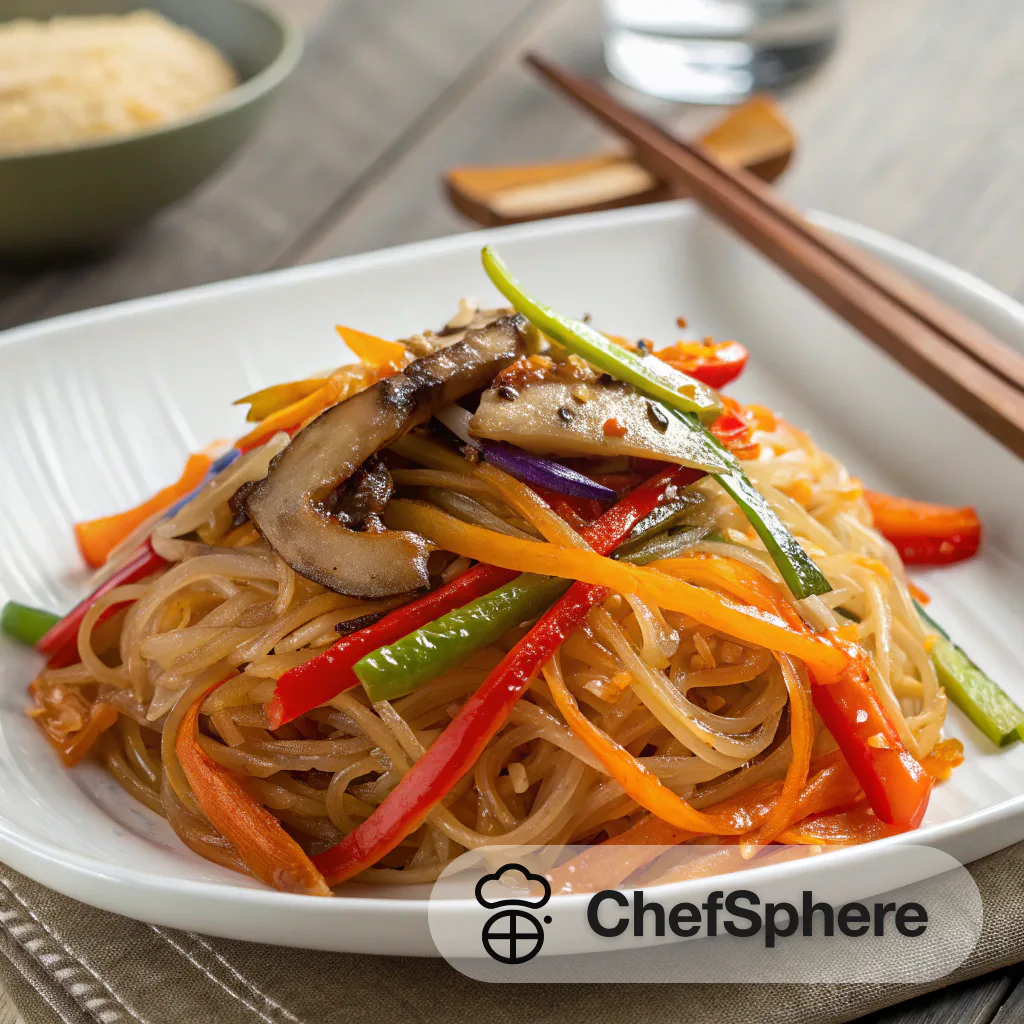 18 minutes
Vibrant Korean Glass Noodles with Veggies
Korean stir-fried glass noodles with colorful vegetables.
medium320 calkorean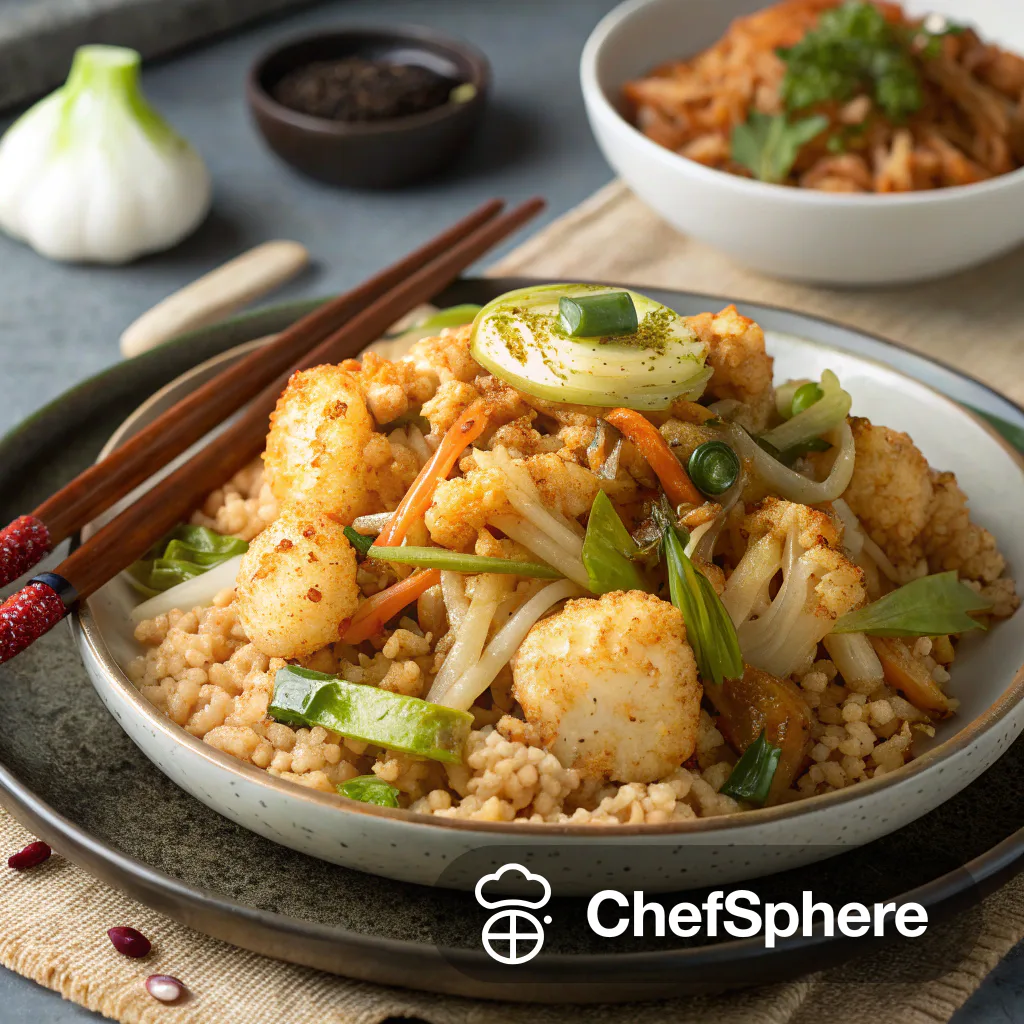 20 minutes
Kimchi Cauliflower Rice Stir-Fry Twist
Stir-fried cauliflower and kimchi rice with a twist.
medium180 calkorean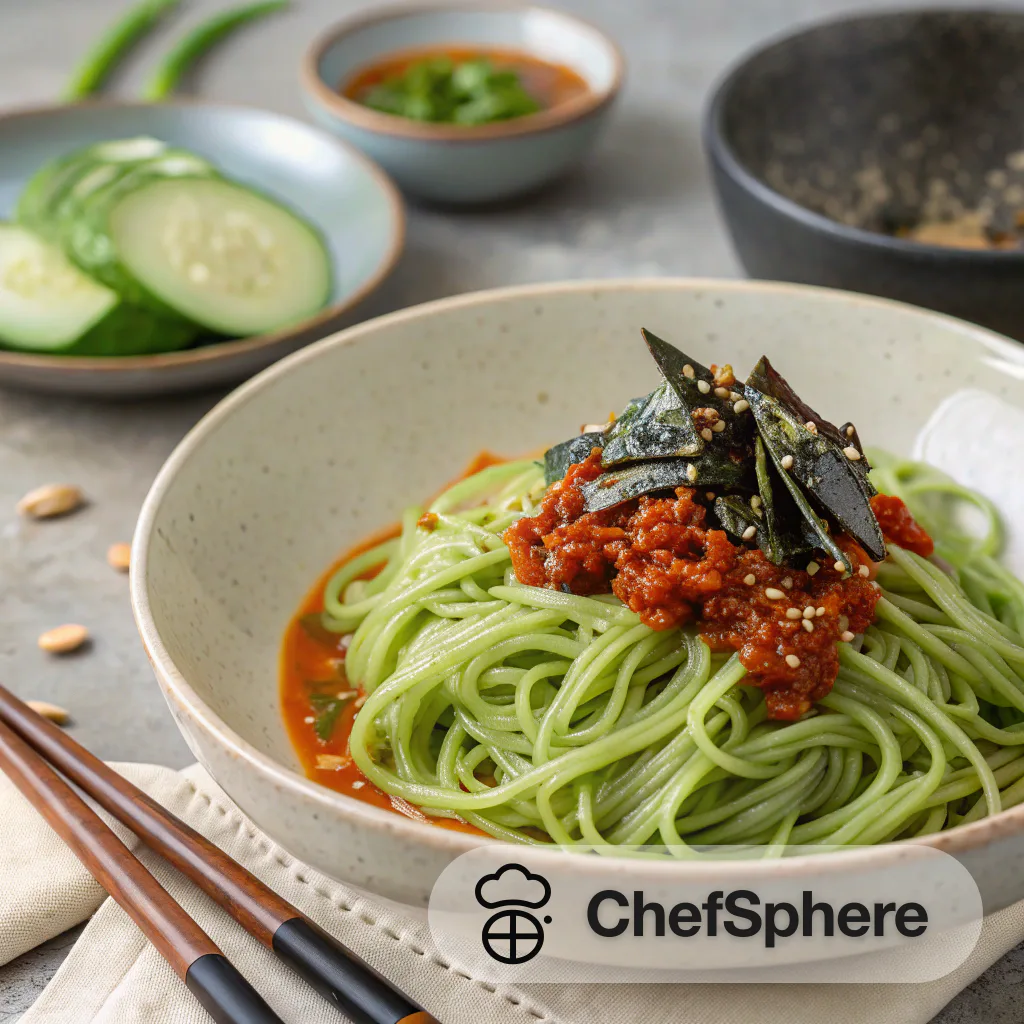 30 minutes
Spicy Gochujang Green Tea Noodles
Green tea noodles paired with spicy gochujang dipping sauce.
medium280 calkorean
Korean dishes that fit under 30 minutes
- jjigae (kimchi stew, 25 min)
- tteokbokki (28 min)
- galbi shortcut (28 min)
- japchae (sweet potato noodles, 30 min)
Techniques that work in under 30 minutes
- bibimbap assembly
- kimchi fried rice
- bulgogi flash sear (thin-sliced beef)
- gochujang-glazed protein
- pajeon (scallion pancake)
Korean pantry staples
- gochujang (chili paste)
- gochugaru (chili flakes)
- soy sauce
- sesame oil
- rice vinegar
- garlic
- ginger
- kimchi
Tips for fast korean cooking
- Gochujang + soy + sesame + garlic + sugar = the universal Korean sauce. Make once, use 5 ways.
- Pre-sliced bulgogi beef from a Korean grocer cuts 10 minutes off any beef dish.
- Aged kimchi (jjigae kimchi) makes better fried rice and stews than fresh kimchi.

