Blog

Meal Planning for Two on a Budget: Eat Well Without Doubling the Bill (2026)

Budget meal planning for couples: shared lists that cut waste, overlap-first recipes, and price-aware shopping so two people eat well for less.

May 29, 2026 · 3 min read · By ChefSphere Team

Meal Planning for Two on a Budget: Eat Well Without Doubling the Bill (2026)

On this page

  • Rule 1: Plan for overlap, not variety
  • Rule 2: One aggregated list, not two trips
  • Rule 3: Scale to two and reuse leftovers
  • Rule 4: Shop with prices in view
  • Rule 5: Keep three "rescue" cheap meals
  • Put it together

Cooking for two has a hidden tax: almost every recipe and grocery package is sized for four or more. Buy a bunch of herbs for one dish and most of it liquefies in the drawer. Cook a recipe "for four" and you either overeat or bin the rest. For couples, the budget problem is rarely about buying cheaper food—it is about waste.

Here is how to plan so two people eat well without paying for food you throw away.

Rule 1: Plan for overlap, not variety

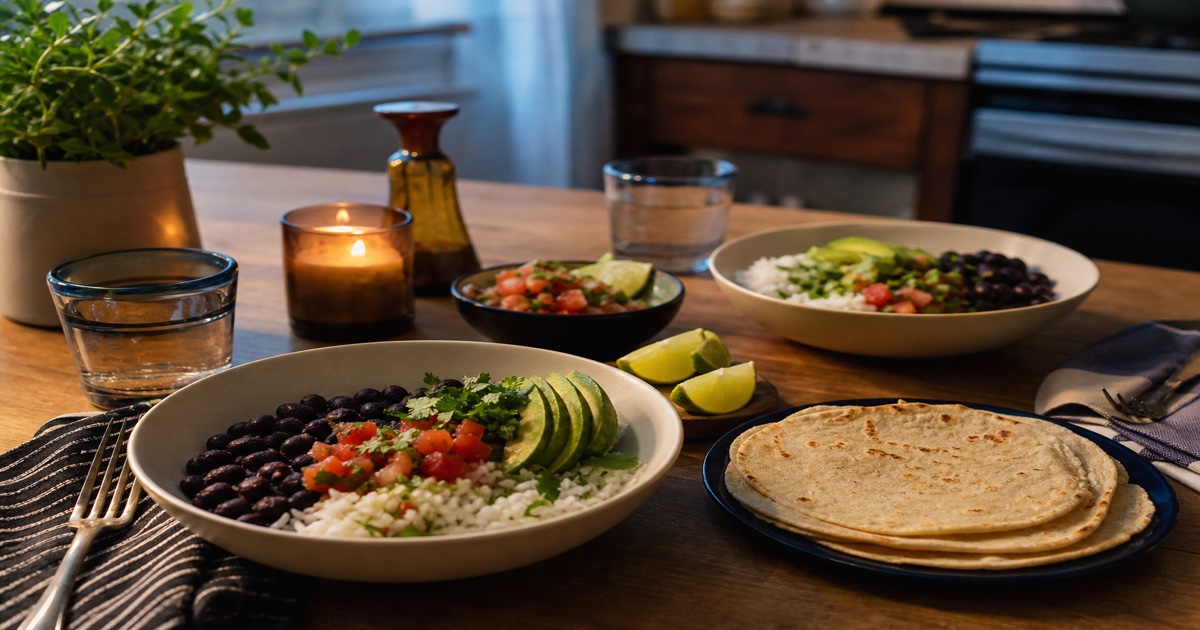
The instinct is to make every dinner different, which means buying a long list of single-use ingredients. The cheaper instinct is overlap: pick a few base ingredients that show up across several meals. One protein, one grain, two or three vegetables, then let sauces and spices create variety. You buy in useful quantities and nothing rots.

A planner that builds the week around shared ingredients does this automatically. In ChefSphere's Couple Zone, the plan and the aggregated grocery list come from the same place, so the same half-bag of spinach feeds Tuesday and Thursday instead of dying on Friday.
Meal Planning for Two on a Budget: Eat Well Without Doubling the Bill (2026) — in-kitchen scene

Rule 2: One aggregated list, not two trips

Two people shopping from memory means duplicates: two open jars of the same sauce, two half-finished bags of rice. A single shared list—built from the actual plan and ordered by aisle—kills duplicate buying and impulse adds. Both partners edit the same list, so nothing gets bought twice and nothing gets forgotten.

Rule 3: Scale to two and reuse leftovers

A recipe "for four" is not a deal if half of it spoils. Scale portions to two, and when you do cook extra on purpose, plan the leftover into the next day—lunch, a remix, a freezer night. Leftovers you scheduled are savings; leftovers you forgot are trash.
Meal Planning for Two on a Budget: Eat Well Without Doubling the Bill (2026) — prep and portions detail

Rule 4: Shop with prices in view

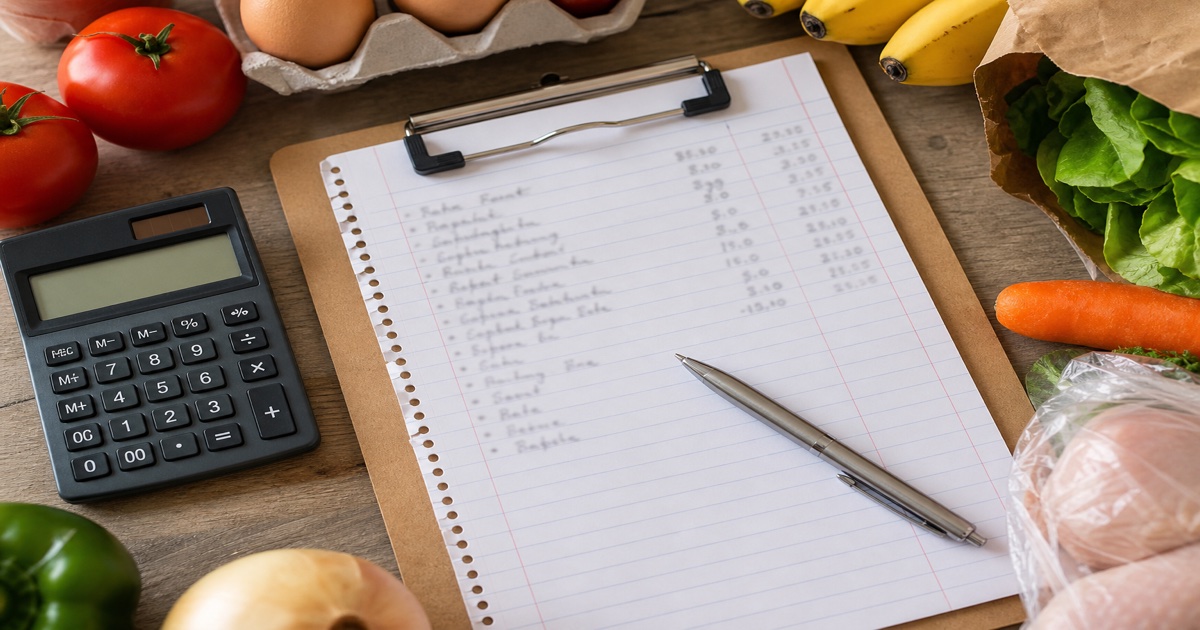
Budgeting blind is hard. Knowing roughly what a plan costs—and what a swap saves—turns vague intentions into decisions. ChefSphere's community price signals and cost-aware lists let couples see the trade before they spend, so "let's eat better this month" comes with a number attached.

Rule 5: Keep three "rescue" cheap meals

Every couple needs three reliable, cheap, fast meals for the nights the plan falls apart—pasta with pantry sauce, egg-and-veg fried rice, a bean bowl. Pre-decided rescue meals stop the 8pm delivery order that quietly wrecks the monthly budget.

Put it together

Budget meal planning for two is mostly waste reduction in disguise: overlap-first plans, one shared list, scaled portions, scheduled leftovers, and a couple of cheap rescues. If you want all of that in one shared system instead of a spreadsheet, compare the options in our best meal planning app for couples roundup, or start with the meal planning for two guide.

Eat well, together, for less—by buying what you'll actually use.

ChefSphere Team

The ChefSphere Team builds AI-powered meal planning tools for recipe discovery, grocery planning, and weekly meal organization. We combine nutrition science, real grocery data, and taste-learning algorithms to make weekly meal planning effortless.

About us·More articles·Get the ChefSphere app
Share this article

Stop planning meals manually

ChefSphere AI builds your weekly meal plan in seconds — personalized to your taste, budget, and health goals. No credit card required.

Download on theApp StoreGet it onGoogle Play

Curated recipe discovery • AI meal planning • Available on iOS, Android & Web

Frequently asked questions

How much can couples save by meal planning together?+

The biggest savings come from cutting waste, not buying cheaper food. Households throw away a meaningful share of what they buy; a shared plan that reuses ingredients across the week and produces one aggregated list typically removes most of that waste—often the equivalent of several meals per week.

What is the cheapest way to feed two people well?+

Plan around overlap. Choose a handful of base ingredients that appear in multiple meals—one protein, one grain, two or three vegetables—so you buy in useful quantities and nothing rots in the drawer. Variety comes from sauces and spices, which are cheap, not from buying ten single-use items.

Does cooking for two waste more food than cooking for one?+

It can, because recipes are usually written for four. The fix is a planner that scales portions to two and rolls leftovers into the next day's plan instead of leaving half a package to spoil.

Explore features

Meal Planning

AI weekly plans for all household types

Meal Planning for Two

Couple-specific meal coordination

Diet Meal Plans

Plans by dietary approach

Meal Prep

Batch cooking & prep guides

Recipes

Discover & swipe on recipes

Blog

Tips, guides & trends

Get weekly meal planning tips

Join our newsletter — one email per week with recipes, planning strategies, and AI tips. No spam, unsubscribe anytime.

  • couples
  • budget
  • meal planning
  • grocery

Recommended reading

Christmas and Holiday Meal Planning 2026

Christmas and Holiday Meal Planning 2026

2 min read

Cooking for Two Without Wasting Half the Groceries

Cooking for Two Without Wasting Half the Groceries

7 min read

Couple Meal Planning When You Have Different Diets (2026)

Couple Meal Planning When You Have Different Diets (2026)

2 min read

On this page

  • Rule 1: Plan for overlap, not variety
  • Rule 2: One aggregated list, not two trips
  • Rule 3: Scale to two and reuse leftovers
  • Rule 4: Shop with prices in view
  • Rule 5: Keep three "rescue" cheap meals
  • Put it together