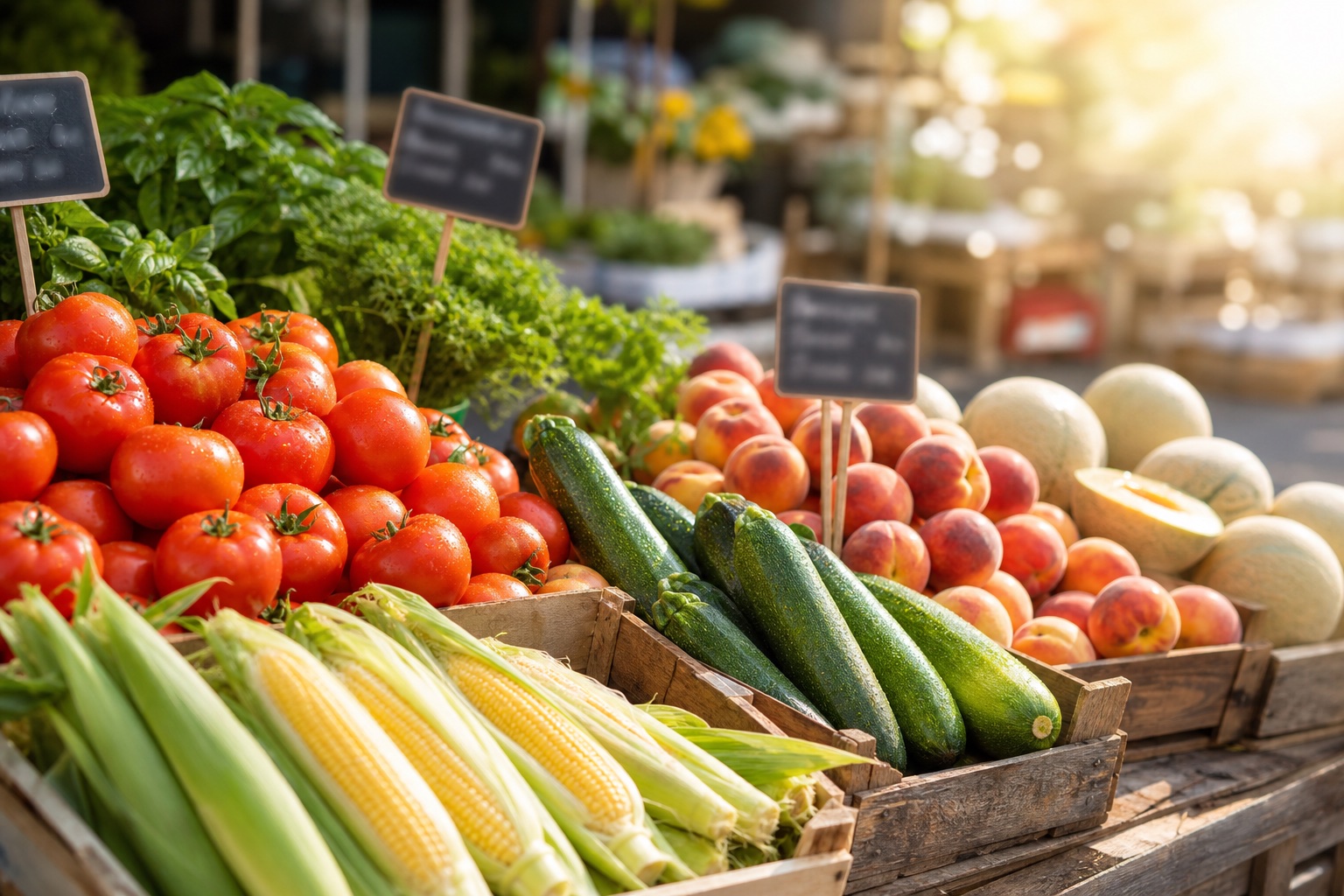
There is a simple rule that beats almost every grocery coupon, app, and loyalty card: buy what's in season. In summer, that rule pays off harder than at any other time of year. The fields are at full tilt, the trucks are short, and the produce aisle quietly fills with the cheapest fruit and vegetables you'll see all year.
This is a month-by-month guide to the cheapest summer produce in 2026 — what's at peak supply and lowest price in June, July, and August — plus a rolling budget meal plan that puts every cheap pick to work before it goes soft.
Why seasonal equals cheap in summer
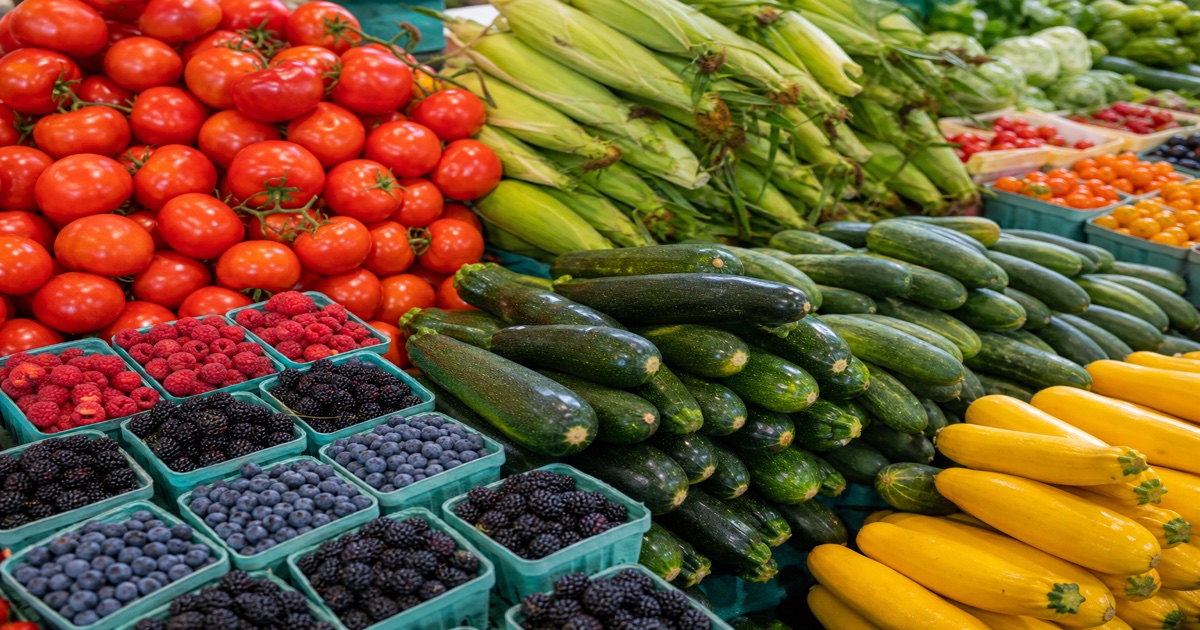
The mechanism is pure supply and demand. When a crop hits peak local harvest, growers have more than the market can absorb, transport distances shrink, and storage costs disappear. The result is a price drop of 30-50% versus the same item out of season. A July tomato or an August melon costs a fraction of its January self.
That discount matters more than ever in 2026. Food-at-home prices are up about +3.2% year over year, and fresh vegetables are forecast to rise around +7.8%. But that forecast is an average across the calendar. In-season summer vegetables move in the opposite direction during their peak — so buying seasonally doesn't just dodge the increase, it more than cancels it. The shopper who plans around what's peaking each month is effectively shopping at last year's prices.
For the full picture on where grocery prices sit this year, our 2026 grocery budget guide breaks down the numbers by household size.
The cheapest summer produce at a glance
If you remember nothing else, remember this short list — these are the items that hit rock-bottom prices across the summer:
- Vegetables: zucchini and summer squash, tomatoes, corn, bell and chili peppers, cucumbers, eggplant, green beans, lettuce
- Fruit: strawberries, cherries, peaches and nectarines, berries (blue, black, rasp), watermelon and other melons
Everything below is the same list, sorted by the month each item is at its absolute cheapest.
June's cheapest picks
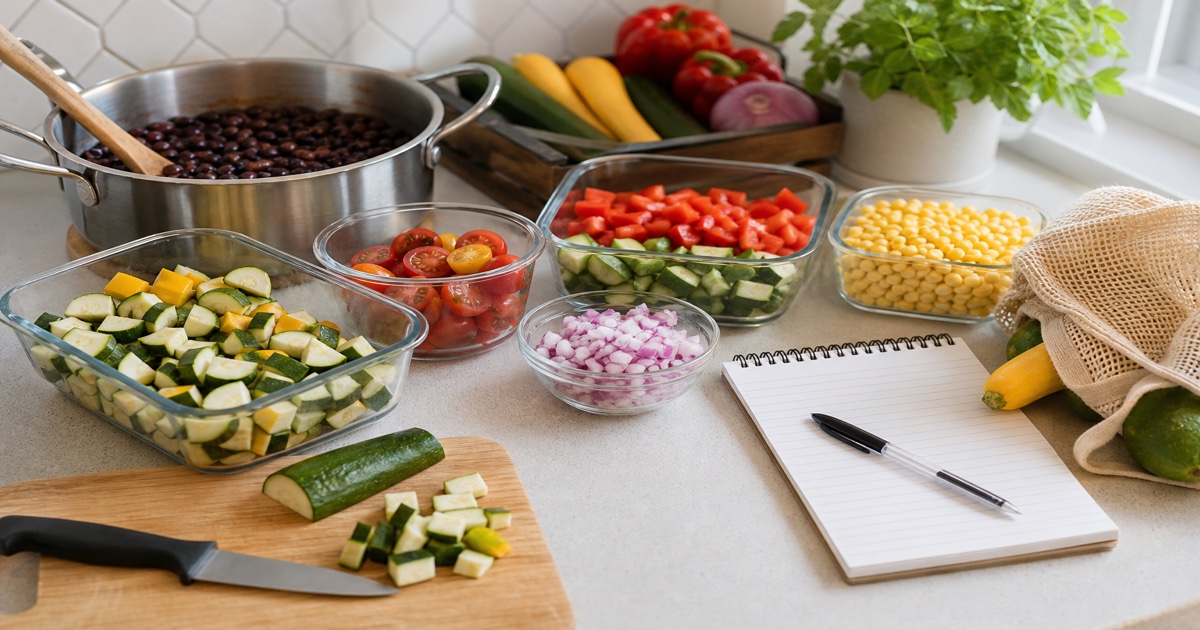
June is the green, leafy, early-summer window. Prices on tender produce bottom out before the full heat arrives.
- Zucchini & summer squash — the classic glut vegetable; so abundant that gardeners give it away. Roast, grill, spiralize, or bake into bread.
- Strawberries — at peak sweetness and lowest price in early summer. Buy flats and freeze what you can't eat.
- Cherries — a short, cheap window; they won't be this affordable again until next year.
- Lettuce & leafy greens — cool weather greens are still cheap before the heat turns them bitter. Build big salads now.
June game plan: lean on zucchini for dinners and strawberries and cherries for cheap fruit. A zucchini-heavy week is one of the lowest-cost weeks of the entire year.
July's cheapest picks
July is peak summer, and the produce list is at its richest and cheapest.
- Tomatoes — finally hitting full flavor and crashing in price. The single best month to eat them raw, by the bowl.
- Corn — sweet corn floods the market; often cheapest by the dozen at a roadside stand or market.
- Peaches & nectarines — stone fruit hits its stride; ripe, fragrant, and cheap by the basket.
- Berries — blueberries, blackberries, and raspberries overlap. Buy big and freeze the surplus.
- Bell & chili peppers — abundant and versatile; great grilled, roasted, or raw.
July game plan: tomatoes and corn anchor dinner, peaches and berries cover dessert and breakfast. This is the month to eat like a king on a peasant's budget.
August's cheapest picks
August is the overflow month — prices stay low and the volume gets almost overwhelming, which is your cue to preserve.
- Heirloom & field tomatoes — peak volume means peak value; this is canning and sauce season.
- Eggplant — at its cheapest and best; roast, grill, or turn into caponata and baba ganoush.
- Peppers — still abundant; roast and freeze trays of them for winter.
- Melons — watermelon, cantaloupe, honeydew all peak; huge fruit for a few dollars.
August game plan: cook and preserve the overflow. Roasted tomato sauce, frozen peppers, and grilled eggplant stash away the summer discount so you're still eating cheap in February.
Smart shopping that finds the lowest price
Seasonality gets you most of the way; a few tactics get you the rest.
- Hunt the loss leaders. Stores discount one or two seasonal items below cost to pull you in. Build the week around whatever fruit or veg is on the front-page sale.
- Hit the farmer's market at the end of the day. Vendors don't want to haul produce home — closing time is when the markdowns and bulk deals appear.
- Buy frozen when it's actually cheaper. Out-of-season or for smoothies and cooking, frozen fruit and veg are picked at peak ripeness, cost less, and never spoil.
- Compare local prices before you go. Community Prices shows what real shoppers near you actually paid — so you can see which store has the cheapest tomatoes this week instead of guessing.
For more ways to trim the bill beyond produce, our guide on how to save money on groceries covers store brands, bulk buying, and waste reduction.
A rolling budget meal plan around the cheapest produce
Instead of a fixed 7-day menu, here's a rolling framework you point at whatever is cheapest that week. Each dinner is a cheap protein plus the month's peak vegetable plus a bulk grain — adjust the produce to the season.
- June (zucchini & greens): zucchini frittata; big green salad with chickpeas; grilled zucchini with chicken thighs and rice
- July (tomatoes & corn): tomato-corn salad with beans; pasta with fresh tomatoes and garlic; grilled corn and chicken with a tomato salad
- August (eggplant, peppers & melons): roasted eggplant and pepper grain bowl; eggplant pasta bake; melon and feta salad alongside grilled thighs
Breakfast and lunch ride the cheap fruit: berries and peaches in overnight oats and yogurt, melon with breakfast, tomato toast for lunch. For a complete costed week built on this same logic, see our summer meal plan on a budget, which lands a full week for two around $75.
Reduce waste = save money
A cheap haul you don't eat isn't cheap — it's compost. The fastest way to lower your real food cost is to waste less of what you already bought.
- Buy for the week, not the fantasy. Cheap prices tempt over-buying. Purchase only what your plan actually uses.
- Store it right. Tomatoes on the counter, berries dry and unwashed until eaten, herbs in water. Proper storage buys you days.
- Run a use-it-up order. Cook the oldest, softest items first. The bruised peach becomes a smoothie; the wrinkly pepper goes in the frittata.
- Preserve the overflow. Freeze, roast, or sauce whatever you can't finish — that's how August's cheap tomatoes become November's pasta sauce.
Let AI plan around the cheapest local produce
Knowing zucchini is cheap in June is easy. Turning a constantly shifting list of cheap produce into a week of meals your household will actually eat — without waste — is the hard part. That's what the AI meal planner is built for.
- Seasonal-first — it prioritizes produce at peak supply and lowest price near you, so the plan tracks the cheapest list automatically.
- Real local prices — it draws on Community Prices to know what's genuinely cheap in your area this week, not a national guess.
- Waste-aware — it reuses ingredients across meals, so the big batch of cheap peppers you bought shows up in three dishes instead of one.
- On budget — set a weekly number and it builds the plan inside it, leaning on whatever produce is peaking.
Buy the season, save the money
Summer hands you the cheapest produce of the year on a rolling schedule: greens and zucchini in June, tomatoes and corn in July, eggplant and melons in August. Buy what's peaking, shop the markdowns, preserve the overflow, and waste almost nothing — and your grocery bill drops while your meals get better.
Get started: Create a free ChefSphere account, tell the AI your budget, and it'll build a meal plan around the cheapest produce near you in under a minute. You can also download the app to check seasonal prices and your grocery list right at the store.


