
Summer 2026 Meal Plan: 7-Day Framework + Grocery List
7 min read
Stop searching for dinner at 6:30pm—use time-based ideas, pantry logic, and ChefSphere quick modes plus swipe discovery to decide faster.
April 25, 2026 · 5 min read · By ChefSphere Team
ChefSphere Team
The ChefSphere Team builds AI-powered meal planning tools for recipe discovery, grocery planning, and weekly meal organization. We combine nutrition science, real grocery data, and taste-learning algorithms to make weekly meal planning effortless.
ChefSphere AI builds your weekly meal plan in seconds — personalized to your taste, budget, and health goals. No credit card required.
Curated recipe discovery • AI meal planning • Available on iOS, Android & Web
Yes — the new dietary guidelines push protein and whole foods. Quick proteins (eggs, canned fish, rotisserie chicken) plus frozen vegetables plus a whole grain equals a guideline-compliant dinner in 15 minutes.
Optimize for assembly dinners: rotisserie plus salad plus bread; grain bowls; sandwiches with protein. These require zero cooking skill and hit reasonable nutrition targets.
Keep a written list of Tier A dinners you can execute in under 20 minutes — decision fatigue dies when defaults exist. Or use ChefSphere's meal plan to eliminate the 6pm decision entirely.
Yes — between swipe, quick modes, and AI vision, you are not choosing from the entire internet; you are choosing from your taste plus your constraints plus your actual fridge contents.
Couple Zone merges both partners taste profiles. The AI suggests quick dinners you both enjoy. No debate required.
“Quick dinner ideas” is one of the highest-intent searches on the internet because it is really three emergencies at once: time, decision fatigue, and ingredient mismatch. A listicle alone fails—you need a system: defaults for 10–15 minutes, defaults for 20–25 minutes, a pantry rule, and a discovery path that matches your taste without doom-scrolling. ChefSphere is built around that reality: Quick Recipe modes (including under-15-minute paths), Swipe for Meals for fast preference learning, and ChefSphere AI when your fridge is the only honest inventory.
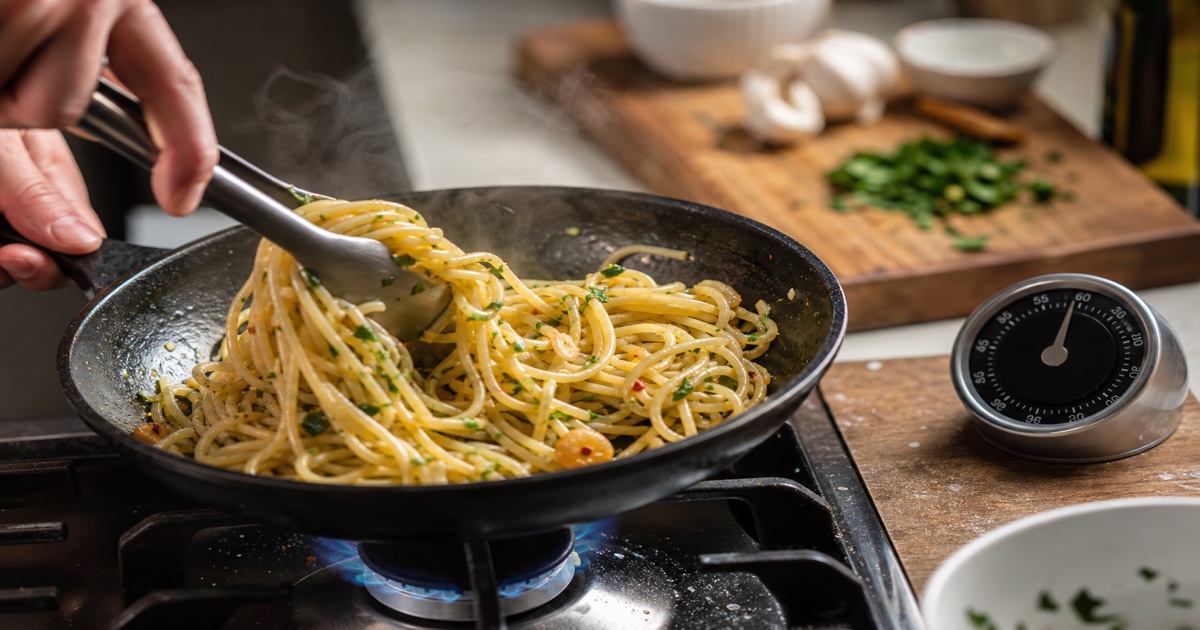
These assume you have basic staples—salt, oil, a carb, a protein—and you are not starting from a frozen-solid block of meat without thawing.
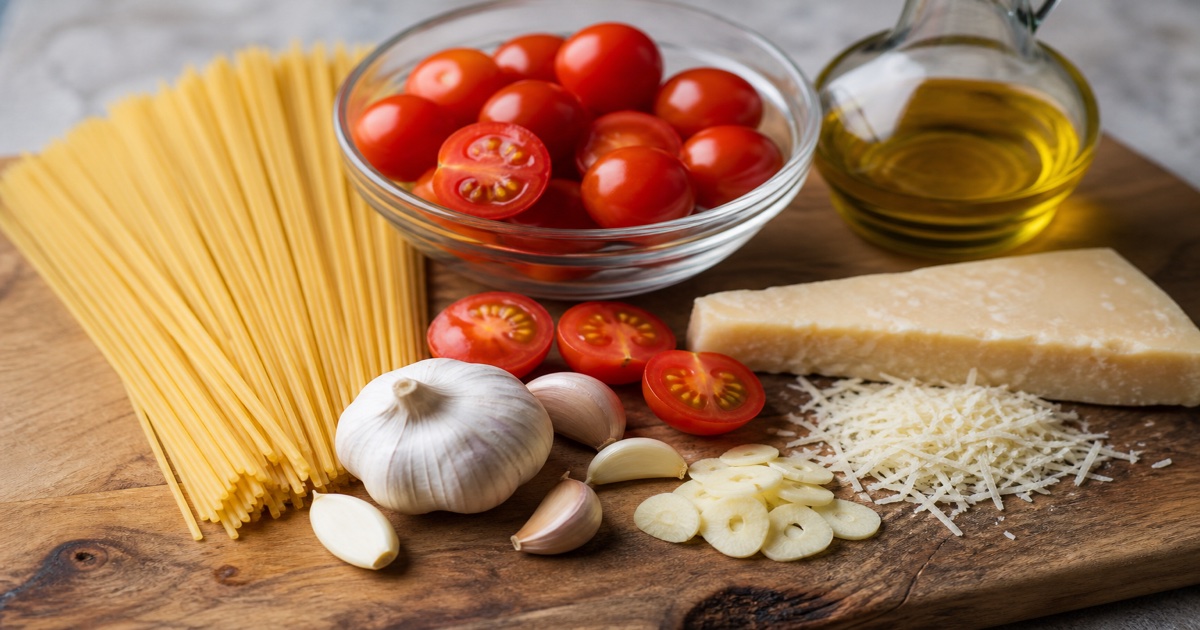
If you have protein + carb + fat + acid, you can improvise. The missing ingredient is usually acid (lemon/vinegar) or texture (crunch). Keep a "panic shelf":
| Item | Why | Quick dinner it enables |
|---|---|---|
| Jarred garlic | Flavor in seconds | Any stir-fry, pasta, sheet pan |
| Hot sauce | Instant interest | Eggs, rice bowls, tacos |
| Good olive oil | Finishing fat | Pasta, salads, roasted veg |
| Pasta or rice | Carb base | Literally half the list above |
| Canned tuna/chickpeas | Instant protein | Tuna pasta, loaded salads, wraps |
| Frozen vegetables | No-waste vegetables | Stir-fry, soup, fried rice |
| Eggs | Universal protein | Omelets, fried rice, shakshuka |
| Soy sauce | Umami in a bottle | Stir-fry, fried rice, marinades |
If your panic shelf is stocked, you can always make dinner. The question is never "can I cook?" — it is "what should I cook?" That is a decision problem.
Pick two weekly repeats ("Taco Tuesday," "Fish Friday")—even if you hate the names. Repetition reduces decision load more than novelty helps.
This framework means you only need to decide 2 meals per week (the new experiment + the social night). Everything else is on autopilot.
A 2026 study by the food delivery analytics firm Second Measure found that the average American spends $230/month on food delivery apps — often because no dinner plan existed at 6pm. That is $2,760/year on emergency delivery because of decision fatigue.
Compare: a moderate grocery budget for a single adult is $420–480/month for all meals. The math is clear — having a plan is cheaper than not having one, even if the plan is imperfect.
ChefSphere is built for the 6pm emergency:

